I started getting into Korean skin care when I got out of college; I’ve never had major problems with my skin but I chalk that up to the fact that I was taught from a young age to wash my face every morning and evening. If you are unaware, Korean skincare has moved into the spotlight over the past couple years with the rise in popularity of K-Pop in the rest of the world. Most Korean skin care routines have a minimum of 4-5 steps with the average being 8-10.
One of the best things about K-Beauty is that while you can find full 10 step skincare kits from individual brands, marketed as one, you can mix and match all you want to figure out what is best for you. Additionally, comparatively Korean skincare is significantly less expensive than skin care products from western countries as long as you do not purchase them from stores like Sephora and Ulta. While I love Sephora and Ulta, and they are beginning to keep certain Korean brands in stock, since they have to import them from Korea, the prices go up significantly. So make sure that when you do buy your skincare, purchase it either from Amazon, or the brand’s website.
Finally, one more amazing thing about Korean skin care in general is that it caters specifically to sensitive skin. My cousin works for a skin care brand in the United States that makes products that do not contain any harmful chemicals or parabens in them and when she asked to check the products I use for harmful elements, she was unable to find any. So, if you have sensitivities to specific chemicals or your skin has a hard time when trying new products, I’d be willing to wager that you’d probably be okay using most Korean skin care products.
The first step in Korean skin care routines is usually an oil based cleanser; I don’t use one of these because the primary purpose of oil based cleansers is to remove makeup, and since I don’t wear daily makeup, I don’t own an oil based cleanser. However, if you are looking for one, great brands for finding any skin care products include: Innisfree, Skinfood, ETUDE HOUSE, CosRx, LANEIGE, Nature Republic, and Missha.
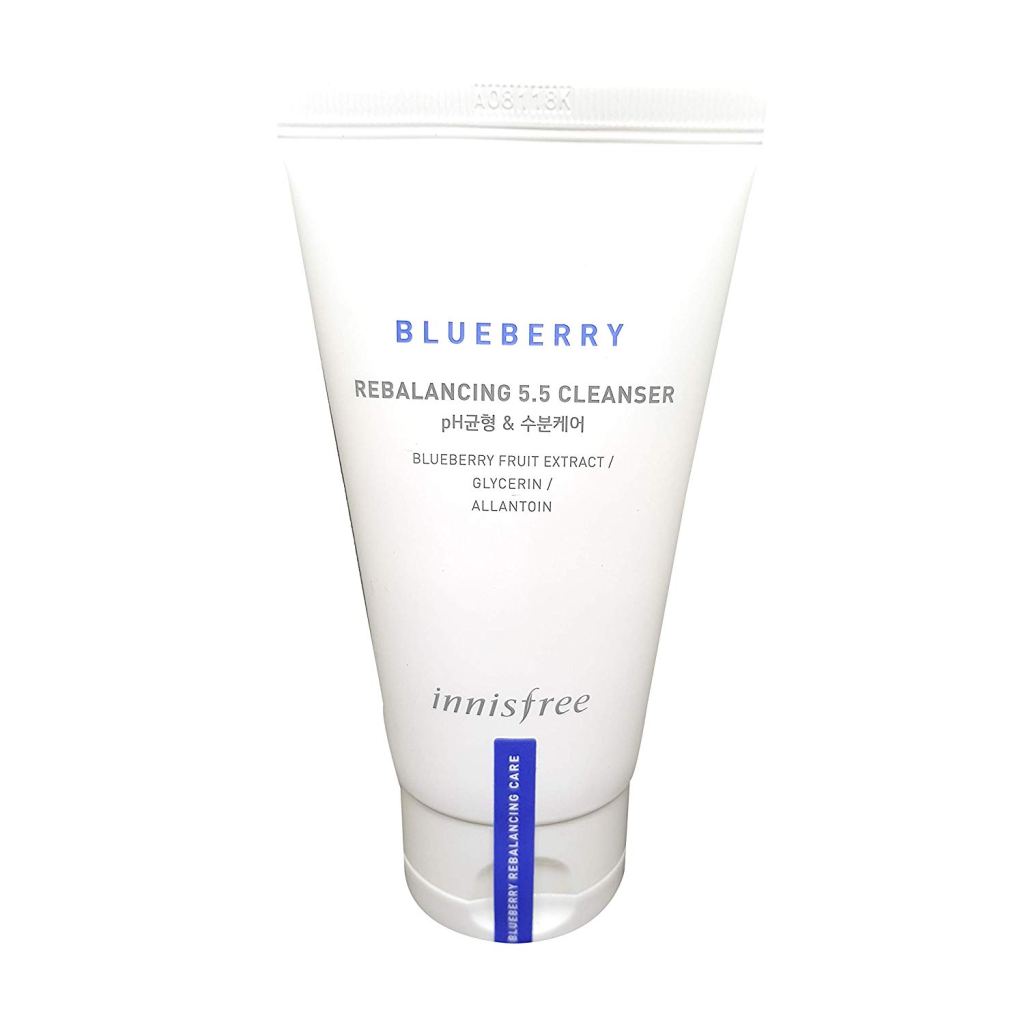
The next step in the routine is the water-based cleanser; water-based cleansers help remove water soluble things such as dirt and sweat from your pores. If you wear makeup daily, it is suggested that you do a double cleanse with both an oil-based and then a water-based cleanser, but if you do not then typically a water-based cleanser is enough. I was using CosRx Low pH Good Morning Gel Cleanser until recently when I decided to switch it up to the cleanser linked below. Both are great options for maintaining your skin’s naturally lower pH, it is just entirely up to you which you choose.
Cleanser: Innisfree Blueberry Rebalancing 5.5 Cleanser
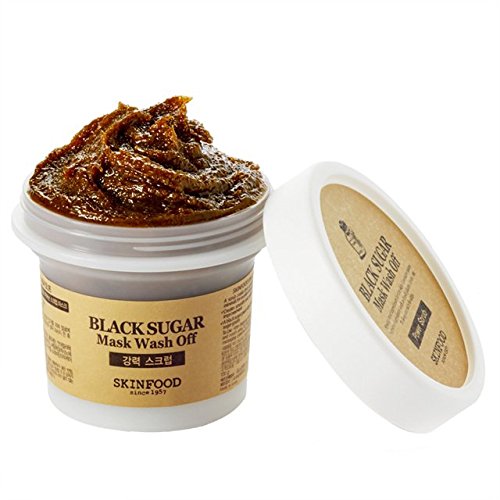
I lightly exfoliate my skin every morning with this Skinfood exfoliator, but a lot of products and websites suggest only exfoliating once or twice a week. At the end of the day it is up to you to know exactly what your skin needs but when in doubt, consult the instructions on the package. Exfoliants are important because it will help remove any dead skin cells that are ready to come off and help keep your face smooth and healthy.
Exfoliant: Skinfood Black Sugar Mask Wash Off Exfoliator
Toners can be used for many things, like removing the final amount of dirt from your face, hydrating, rebalancing pH, and applying skin-beneficial ingredients. You can choose to apply it with a cotton pad or just your hands, by lightly patting it into the skin.
Toner: ETUDE HOUSE Wonder Pore Freshner

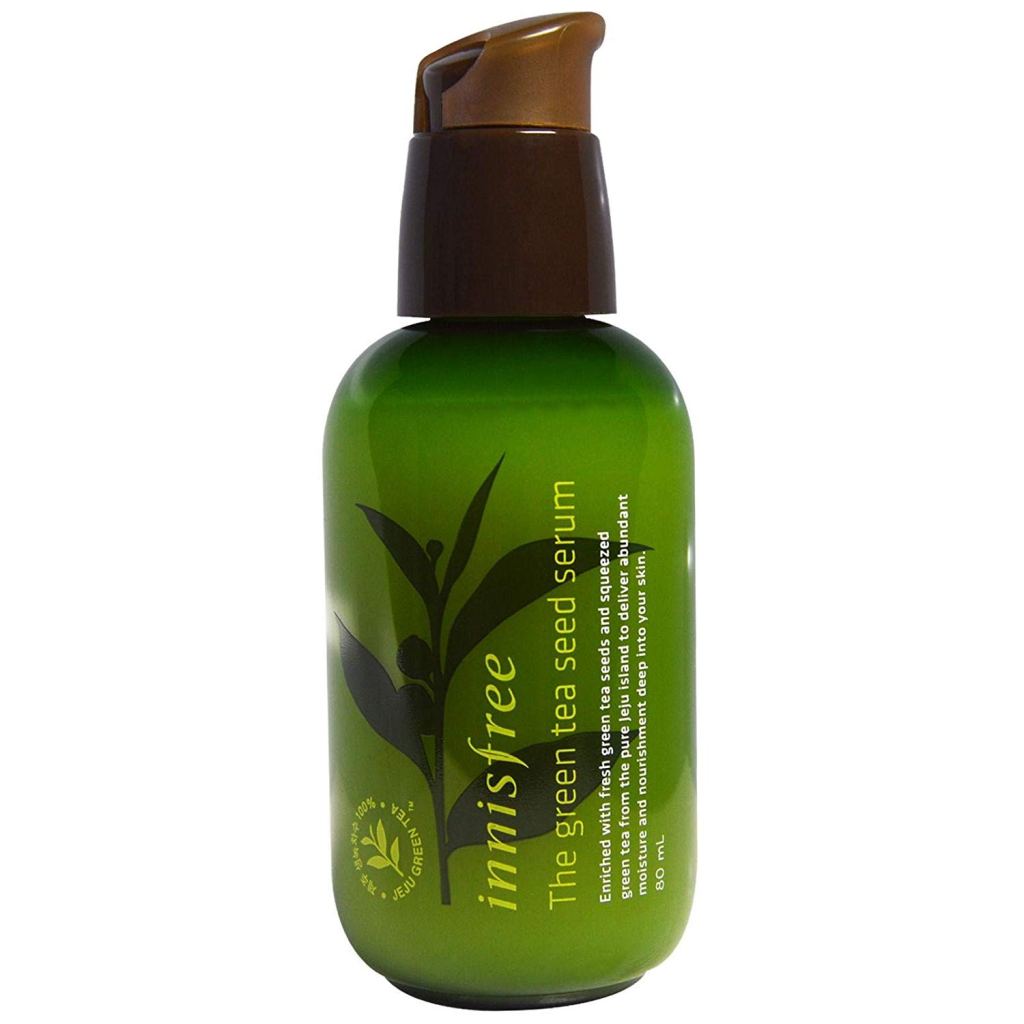
Essences and serums, while different, I am going to put in the same section because they ultimately serve similar purposes. The purposes of essences and serums will vary widely depending upon what you are looking for. Essentially, essences and serums are the steps you take for any additional benefits you may want to add to your routine; such as anti-aging, moisturizing, adding nutrients, and others. The main difference between them are that serums are more potent than essences and should be used after. My skin tends to run on the dry side, so when choosing mine, I kept that in mind. These tend to be the most expensive parts of the routine, but they can also be easily skipped if you’re not ready to make the commitment.
Serum: Innisfree Green Tea Seed Serum
Moisturizer is a familiar one, hopefully. I personally really like the Nature Republic moisturizers because they are super hydrating but aren’t heavy like some other creams are.
Moisturizer: Nature Republic Super Aqua Max Moisture Watery Cream

Finally, arguably the most important step in the skincare routine, sunscreen. Now, I know what you’re thinking, do I really have to? The short answer is, yes. With sun damage, it is so much more difficult to take care of your skin, like with most things we want to be preventative instead of reactive. The good news is, Korean sunscreens, like the Missha ones, not only do not feel like normal sunscreen but they also do not smell like normal sunscreen. The All Around Safe Block that I use, is SPF 45 and it just feels like another lotion going on and has very little scent to it at all.
Sunscreen: Missha All Around Safe Block Essence Sun SPF 45

If you have any questions on what the purpose of any of the steps are or would like more information on what each brand offers, I highly suggest you check out the websites! Figuring out what your perfect skin care routine is, is a trial and error process but luckily the consequences for error in Korean skin care are often inexpensive and low.
Have any of you used any of these products? What is your favorite Korean skincare brand?
 Chelsea Hoel - Freelance Writer